Start with exposure
Climate, water, fire, soil, occupancy, and maintenance capacity shape the right assembly. Product selection comes later.
From the ION EcoBuilding tradition
Natural materials, building science, and owner advocacy for walls that can dry, resist fire, and be repaired.
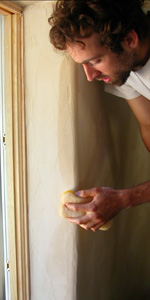
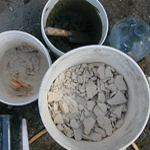
Projects, assemblies, community building, and the living materials between them.
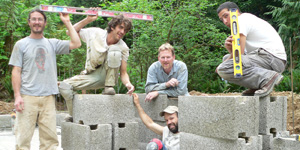
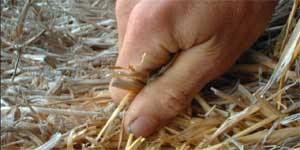
Council approach
Natural materials carry life, texture, and spirit. They can nourish the feeling of calm and safety we call home, while careful building science helps that home endure.
Climate, water, fire, soil, occupancy, and maintenance capacity shape the right assembly. Product selection comes later.
Heat, vapor, bulk water, drying potential, toxicity, repair, and fire behavior belong in one conversation.
Owners need plain comparisons before cost, schedule, or a familiar detail closes off better choices.
Drawings, material notes, and maintenance guidance help a building keep its value after the project team leaves.
Bring the council in early, or ask for a focused review when a decision is stuck.
Early concepts, enclosure strategy, material direction, and details for homes, community spaces, and owner-led work.
Plan the buildingIndependent review of wall systems, moisture risk, material health, fire exposure, certification paths, and maintenance.
Review the optionsSite workshops, decision guides, and hands-on instruction that make each project useful to owners, crews, and neighbors.
Learn on the projectClear representation for owners making expensive, long-lived decisions with designers, builders, suppliers, and public agencies.
Protect the brief
Each solution is tested against the same wall, site, budget, and maintenance plan.
Historic projects show the craft base. New case studies can add drawings, decisions, and performance notes.
Rating systems and certifications help when owners can see what they measure, what they miss, and how a detail changes on site.
Explore the learning programThe World Bank framework separates resilience of a project from resilience created through a project. That distinction is useful well beyond large infrastructure.
Compare Building Biology Institute and Phius paths by the questions they answer, the documentation they require, and the issues they leave to the project team.
Compare wall systems, plasters, insulation, finishes, carbon, toxicity, fire behavior, vapor behavior, repair, and maintenance without reducing the answer to one score.
Next additions
These are the most useful things to gather next.
Plans, wall sections, window details, and marked-up construction sets from completed work.
Two-minute explanations of a wall, material, failure, repair, or community build process.
Side-by-side samples with notes on sourcing, installation, drying, repair, cost, and maintenance.
Brief case notes that show the options, constraints, chosen detail, and what the team learned.
Share the site, project stage, and the question that is holding up the work.